Swimming is not just a fun activity; it’s a crucial life skill that can ensure safety and promote a healthy lifestyle. Understanding the best age to start swimming lessons can significantly impact a child’s development and comfort in the water. This comprehensive guide explores the ideal age to introduce children to swimming, taking into account developmental milestones, safety considerations, and the benefits of early learning.
The Benefits of Early Introduction
Introducing children to swimming at an early age offers numerous advantages. Babies and toddlers who start swimming lessons early are often more comfortable in the water, reducing the likelihood of fear or anxiety as they grow older. Additionally, early swimming lessons can help improve coordination, balance, and muscle development.
Research indicates that children who start swimming lessons early tend to develop better cognitive and social skills. The structured environment of a swimming class, combined with the physical activity, supports overall brain development. Moreover, swimming can enhance a child’s confidence and independence, providing a solid foundation for other physical activities and sports.
Considering Developmental Milestones
When determining the best age to start swimming lessons, it’s essential to consider developmental milestones. Infants as young as six months can begin parent-and-baby classes, which focus on water acclimation and safety. These classes typically involve gentle movements, floating, and basic water skills, providing a fun and safe introduction to the water.
For toddlers aged 1-3 years, swimming lessons can start to incorporate more structured activities and basic skills, such as kicking, blowing bubbles, and floating independently. At this age, children can begin to understand simple instructions and develop a sense of rhythm and coordination in the water.
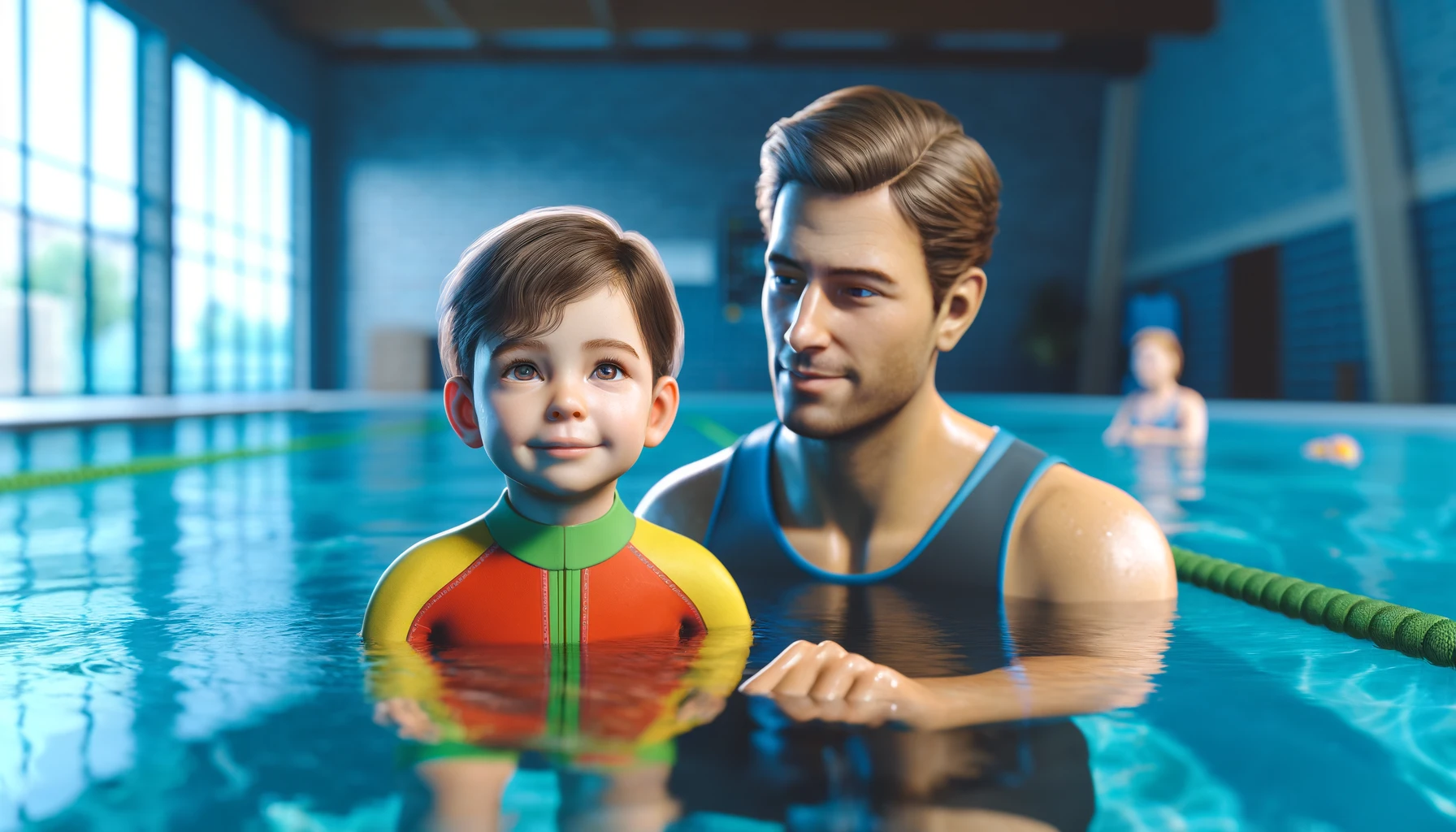
By the age of 4-5 years, most children are ready for more formal swimming lessons. They can follow directions more effectively and have developed the physical strength and coordination needed to learn basic swimming strokes. This is often considered an ideal age to start swimming lessons, as children can make significant progress and learn essential water safety skills.
Safety Considerations
Safety is a paramount concern when introducing children to swimming. Ensuring that lessons are conducted in a safe and supervised environment is crucial. For infants and toddlers, parent-and-baby classes provide an excellent way to introduce children to the water while maintaining close supervision.
As children grow older and more independent in the water, it’s essential to choose a swimming program with qualified instructors who are trained in child development and water safety. Look for programs that maintain low instructor-to-student ratios to ensure each child receives adequate attention and supervision.
Additionally, it’s important to teach children water safety skills alongside swimming techniques. Understanding how to enter and exit the water safely, recognizing water hazards, and knowing basic rescue skills are critical components of any swimming program.
The Role of Parental Involvement
Parental involvement plays a significant role in a child’s swimming education, especially in the early stages. Parents can provide comfort and support, helping to ease any anxiety their child may feel about the water. Participating in parent-and-baby classes can also strengthen the parent-child bond and create positive associations with swimming.
As children progress in their swimming lessons, parents should continue to reinforce water safety practices and encourage regular practice. Creating opportunities for children to swim outside of lessons, whether in a pool, lake, or ocean, can help solidify their skills and build confidence.
Choosing the Right Swimming Program
Selecting the right swimming program is essential for ensuring a positive and effective learning experience. Look for programs that offer age-appropriate classes and have certified instructors with experience in teaching young children. The facility should be clean, well-maintained, and equipped with safety features such as shallow areas, non-slip surfaces, and lifeguards.
It’s also beneficial to choose a program that emphasizes a gradual and supportive approach to learning. Children should be encouraged to progress at their own pace, with plenty of positive reinforcement and opportunities for practice. Programs that incorporate games and fun activities can help keep young swimmers engaged and motivated.
Adapting to Individual Needs
Every child is unique, and the best age to start swimming lessons can vary based on individual needs and preferences. Some children may be ready to start lessons earlier, while others may need more time to feel comfortable in the water. It’s important to observe your child’s reactions and adjust accordingly.
For children with special needs or developmental delays, adaptive swimming programs can provide a supportive environment tailored to their abilities. These programs often feature specialized instruction and equipment to ensure that all children can enjoy the benefits of swimming.
Long-Term Benefits of Early Swimming Lessons
Starting swimming lessons at an early age can have long-lasting benefits. Children who learn to swim early are more likely to develop a lifelong love of the water and engage in swimming as a regular form of exercise. Swimming is a low-impact, full-body workout that can support physical fitness and overall health throughout life.
Additionally, early swimming lessons can instill a sense of discipline and goal-setting. As children progress through different skill levels, they learn the value of practice, perseverance, and hard work. These lessons can translate to other areas of life, fostering a strong work ethic and a positive attitude towards challenges.
Conclusion: Age To Start Swimming Lessons
Determining the best age to start swimming lessons involves considering a variety of factors, including developmental milestones, safety considerations, and individual needs. Early introduction to swimming offers numerous benefits, from improved physical and cognitive development to enhanced water safety skills. By choosing the right program and maintaining active parental involvement, you can set the stage for a positive and rewarding swimming experience for your child.
Incorporating swimming into your child’s life can lead to a lifelong love of the water and a commitment to physical fitness. Whether your child is an infant, toddler, or preschooler, there’s no wrong time to start exploring the joys and benefits of swimming. Embrace the journey and watch as your child grows into a confident, skilled, and happy swimmer.
By setting the right foundation with age-appropriate lessons and supportive instruction, you can help your child achieve their full potential in the water and beyond. Swimming is more than just a skill; it’s a valuable life lesson that can open doors to endless opportunities and adventures.